Choose coaching skills training when leaders need to learn and practise coaching conversations with others. Choose executive coaching when an individual leader needs confidential support to explore their own development goals. Use a combined approach only when the two purposes and boundaries are explicit.
Start with whose development is being supported
In a coaching skills programme, the leader is learning a way to support other people. In executive coaching, the leader is the person receiving coaching. That distinction changes what the provider designs and what the sponsor can reasonably expect to receive.
A group workshop can introduce listening, questioning, feedback and action planning. It cannot offer the same private space as a sustained individual coaching relationship.
Compare the engagement
| Dimension | Coaching skills training | Executive coaching |
|---|---|---|
| Main purpose | Learn how to conduct useful coaching conversations. | Work on a leader’s individual development priorities. |
| Typical format | Teaching, demonstrations, practice and feedback. | Confidential one-to-one sessions. |
| Useful evidence | Learning checks and observed practice. | Progress against agreed individual goals. |
| Sponsor reporting | Cohort learning patterns and participation. | Only the matters agreed within the coaching contract. |
Look for the teaching design
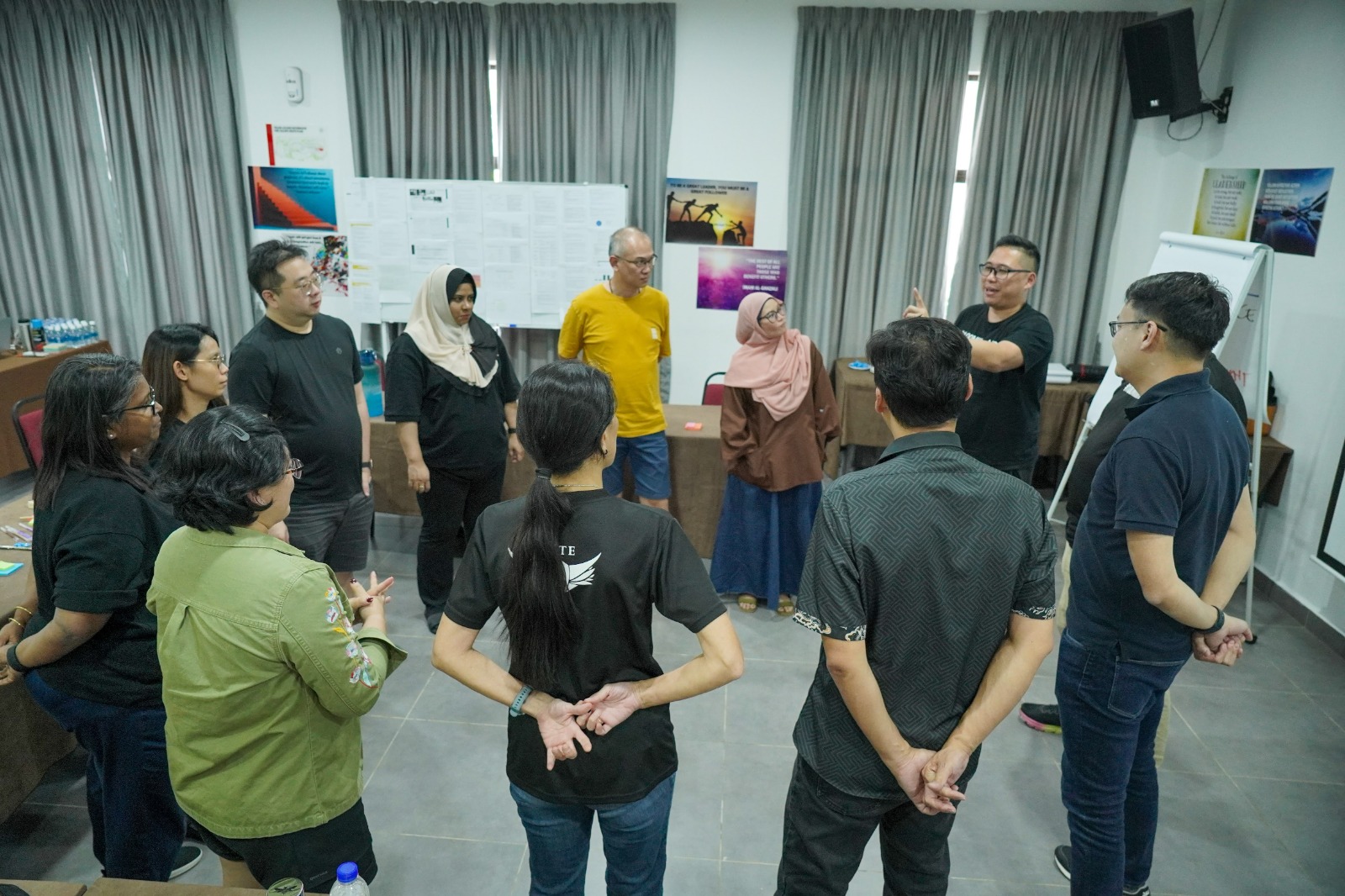
A skilled coach is not automatically a skilled trainer of coaching. Ask how participants will see a demonstration, practise, receive feedback and try again. For leaders accustomed to giving answers, the shift may involve asking a useful question and listening without immediately supplying a solution.
Triads can give participants roles as coach, coachee and observer. If individual trainer assessment is promised, confirm observation time and assessor coverage rather than assuming every simultaneous conversation is being assessed.
Contract individual coaching properly
Agree the leader’s goals, session structure, sponsor involvement and confidentiality boundaries before the engagement. Organisational expectations can inform the goals without giving the sponsor access to private discussions.
Clarify what will be reported, how progress reviews work and what happens if needs fall outside the coach’s scope. Coaching should not be described as therapy or as a guarantee of a promotion or business result.
Treat models as support for a conversation
A conversation framework can help participants organise their thinking. It does not remove the need for listening, judgment and clear boundaries. A leader may need to move between coaching, instruction and management depending on the task, risk and employee’s experience.
Ask why a proposed model fits the learning objective, how it will be practised and what its limits are. A memorable acronym is useful only if people can use it appropriately.
State what completion means
Completing a workplace coaching skills course does not automatically make someone a professionally credentialed coach. An internal facilitator programme may prepare people to support refreshers and peer practice, with clearly defined material-use rights.
Match the scope to the intended outcome, then confirm the trainer or coach’s relevant qualifications and experience. The final proposal should explain exactly what the participant receives and what the completion certificate represents.
Published by iKON Insight Editorial. Examples are illustrative unless expressly identified as delivered work. This guide supports programme planning; confirm scope, availability and any country-specific requirements for the actual engagement.
How we approach our articles ↗Turn the question into a clear brief.
Bring the audience, dates and intended workplace change to a trainer-fit conversation.
Prepare your brief ↗